


-

Add: HeBei ShengShi HongBang Cellulose Technology CO.,LTD.
-

Email
13180486930@163.com -

CONTACT US
+86 13180486930

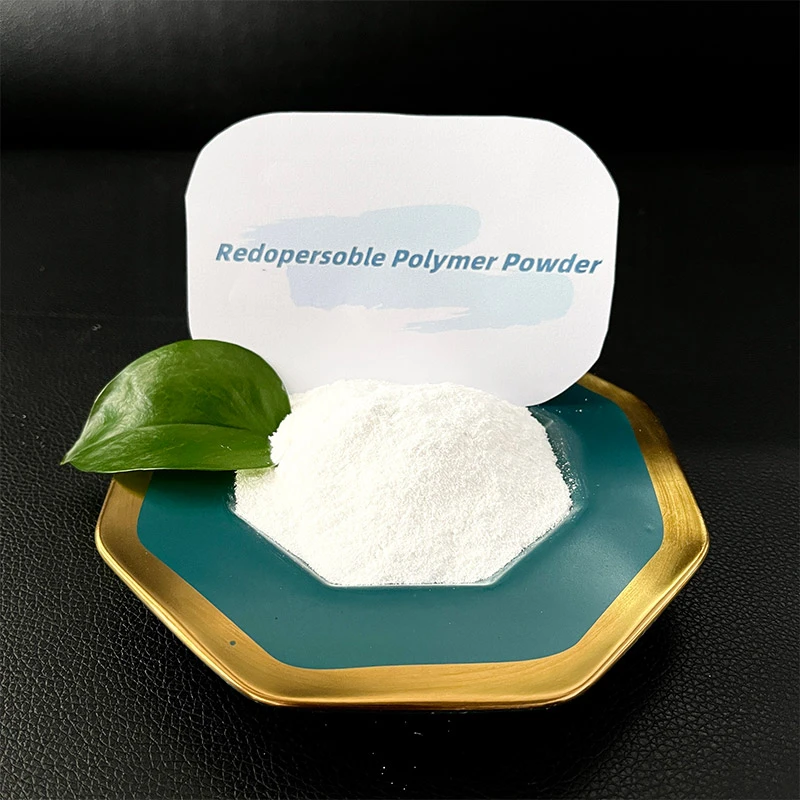
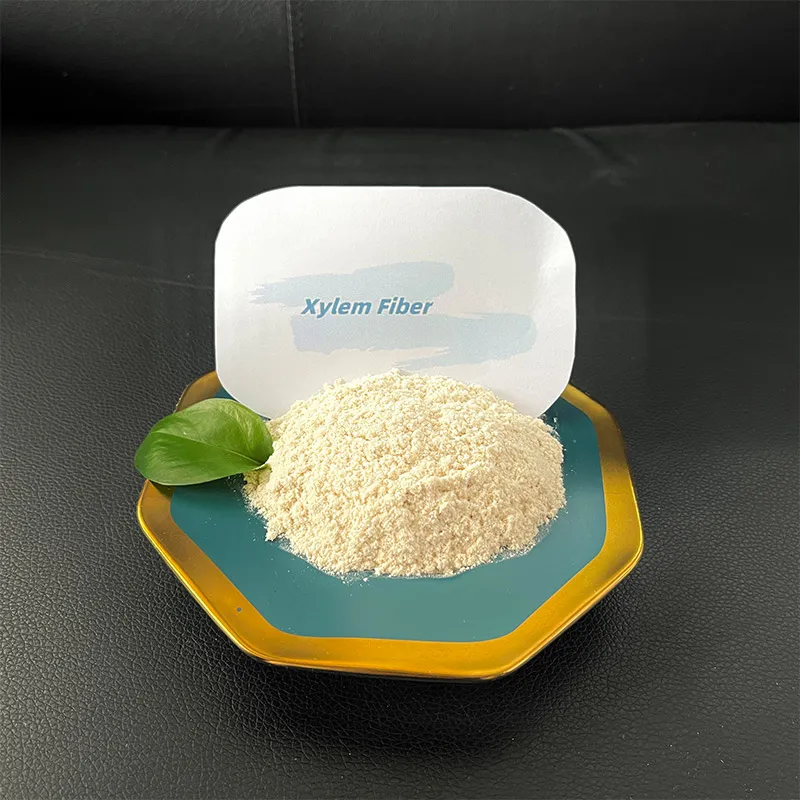
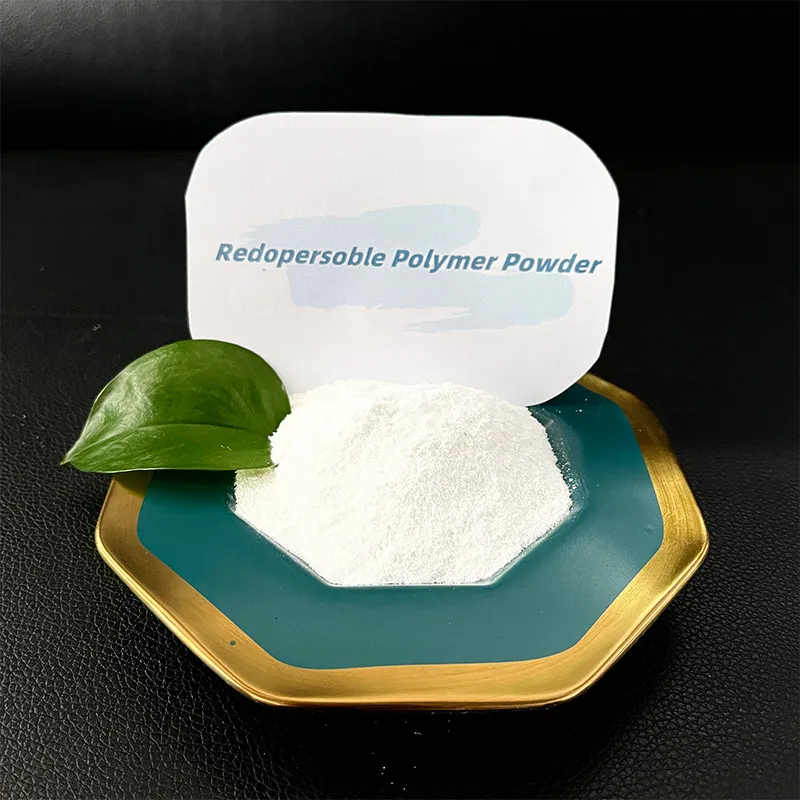
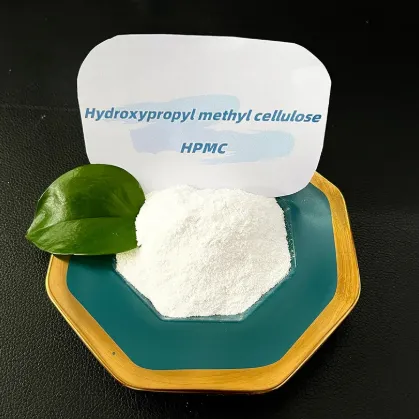
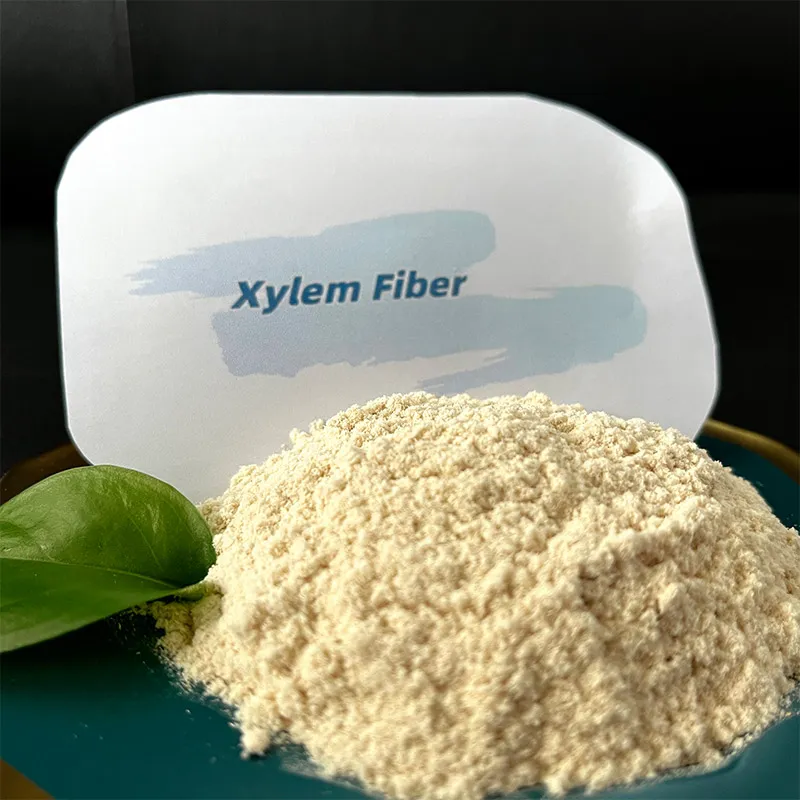


Exploring the HPMC Chemical Structure A Scientific Perspective The chemical structure of Hydroxypropyl Methylcellulose (HPMC) is not just a complex arrangement of atoms, but a profound synthesis of chemical engineering that finds application in various industries ranging from pharmaceuticals to construction. As science delves deeper, the intricate design of HPMC offers insights into its versatile functionalities, underscoring a narrative of innovation and reliability. Hydroxypropyl Methylcellulose is a cellulose derivative, notable for its amphiphilic properties which allow it to act as a water-soluble polymer. This unique characteristic stems from its chemical backbone—a result of both methyl and hydroxypropyl groups attached to the anhydroglucose units of cellulose. Every molecule of HPMC possesses a repeating structure that enhances its utility by maintaining a balance of hydrophilic and lipophilic elements. This duality in its molecular architecture is what empowers its diverse applicability in modern industries. In the realm of pharmaceuticals, HPMC's chemical structure renders it an indispensable excipient . The polymer serves as an ideal choice for controlled drug release formulations. Its hydrophilic matrix forms a gel barrier around the active ingredient, modulating the drug's release rate based on hydration dynamics. This meticulous delivery mechanism is crucial for maintaining therapeutic levels of medication over extended periods, attesting to the sophisticated engineering infused in its molecular design. hpmc chemical structure Moreover, HPMC's valor does not solely stem from its physicochemical properties but also its biocompatibility and non-ionic behavior. It is inert and exhibits minimal interaction with other substances, which makes it safe for consumption and utilization in medical formulations. Consequently, the high degree of trust placed in HPMC is built on a foundation of extensive scientific validation and regulatory approvals across healthcare frameworks globally. In food technology, HPMC's chemical structure confers remarkable emulsifying, stabilizing, and thickening abilities. These functionalities are especially harnessed in the production of gluten-free and reduced-fat foods. Its thermal gelation property—wherein it forms a gel at elevated temperatures and returns to solubility upon cooling—can be attributed to the specific arrangement and substitution of hydroxyl and methoxyl groups, facilitating texture modulation in diverse culinary applications. HPMC also assumes a critical role in the construction industry, where its chemical structure influences the properties of cement and plaster mixes. It enhances water retention, workability, and open time, crucial for ensuring durable and robust construction outcomes. The polymer’s viscosity-building and binding qualities simplify application on surfaces, making brushing, spraying, or roller application efficient and uniform. These benefits highlight HPMC’s contribution to improved performance and cost-effectiveness in building materials. The authoritative stature of HPMC in multiple domains is not merely a testament to its adaptability but to the scientific expertise that continues to delve into and broaden its potential. Future research may further refine its chemical structure for specific applications, paving the way for novel innovations that leverage this compound’s capabilities. Thus, HPMC stands as a paradigm of chemical engineering success—a story of how meticulous structural design can yield significant benefits across disparate fields of human endeavor.
- 40000tons

Production
- 20+years

Experience
- 5000+㎡

Acreage

-
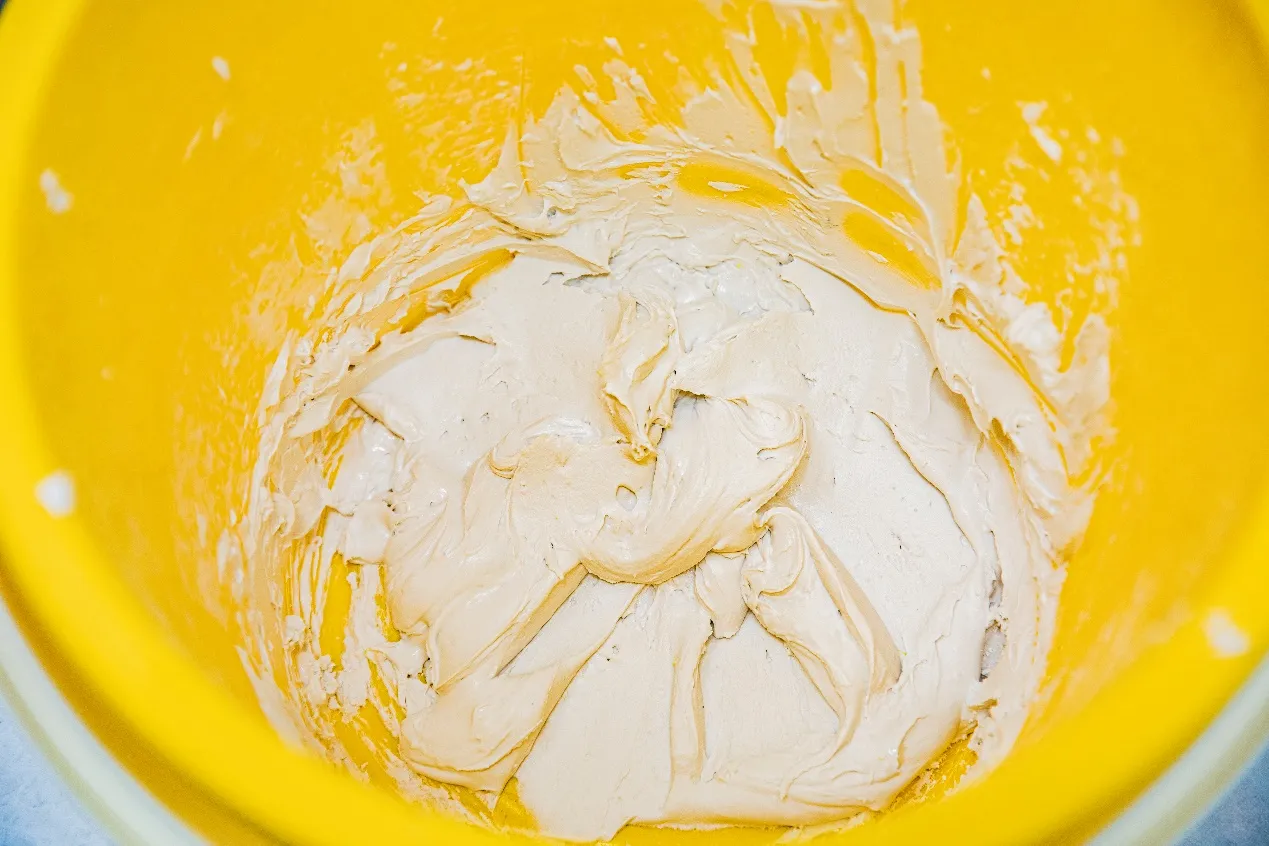
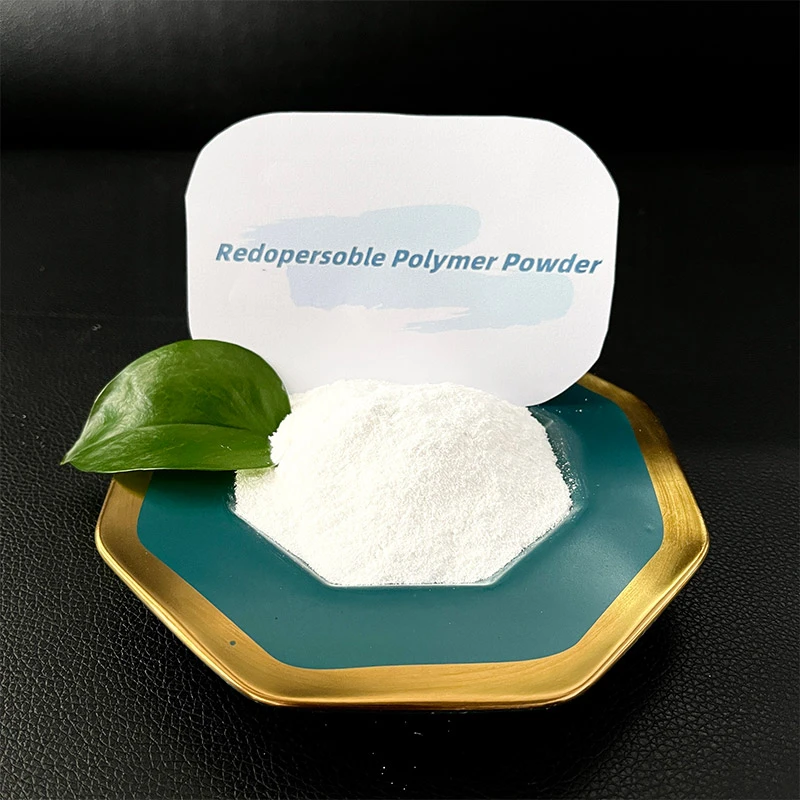
In the urgent pursuit of greener building practices, redispersible polymer powder (RPP) emerges as a transformative additive, redefining the environmental footprint of modern construction materials. Produced through energy-efficient spray-drying of polymer emulsions—typically polyvinyl acetate powder or acrylic copolymers—these powders form protective, dust-free particles that reactivate instantly upon water contact. Unlike solvent-based alternatives, RPP eliminates volatile organic compound (VOC) emissions while enhancing mortar performance, bridging the gap between ecological responsibility and structural excellence. Its integration into cementitious systems reduces raw material consumption, minimizes waste, and extends building lifespans, positioning it as a cornerstone of circular construction economies.This article may help you understand the relevant content. Redispersible Polymer Powder : The Engine of Low-Carbon Mortars Redispersible polymer powder acts as a molecular glue within dry-mix formulations. When water is added, the powder redisperses into a cohesive film that binds cement particles and aggregates, dramatically improving adhesion, flexibility, and water resistance. Crucially, its production via spray-drying consumes less energy than liquid polymer emulsions due to eliminated transportation weight and refrigeration needs. Leading eco-formulations incorporate recycled polyvinyl acetate powder from post-industrial PVA waste, reducing virgin plastic demand. In tile adhesives, just r edispersible polymer powder content replaces 15% cement volume, slashing carbon emissions per ton of mortar. Furthermore, r edispersible polymer powder -modified mortars exhibit less shrinkage, preventing cracks that compromise thermal insulation—effectively lowering building energy loads over decades of use. Polyvinyl Acetate Powder : The Biodegradable Backbone Polyvinyl acetate powder (PVA-P), a dominant r edispersible polymer powder variant, offers unique sustainability advantages. Derived from acetic acid and ethylene—increasingly sourced from bio-based feedstocks—it demonstrates partial biodegradability in landfill conditions, unlike purely synthetic polymers. When used in plasters or renders, PVA-P’s polar molecular structure enhances hydrogen bonding with cellulose fibers (for example: recycled paper waste), creating lightweight composites with 40% lower embodied carbon than traditional gypsum boards. Its alkali resistance prevents degradation in cement matrices, ensuring long-term durability. Innovations like "self-deactivating" PVA-P break down photolytically after demolition, addressing microplastic concerns. Case studies show PVA-P-based exterior insulation finishing systems maintaining R-values 30% longer than conventional systems due to reduced crack-induced thermal bridging. Polymer Powder Innovations: Closing the Resource Loop Advanced polymer powder technologies now prioritize cradle-to-cradle design. Pioneering manufacturers utilize industrial carbon dioxide emissions during polymerization, sequestering carbon within the powder itself. Post-consumer construction waste is milled into "reactive filler powders" that hybridize with r edispersible polymer powder , creating mortars with 50% recycled content without sacrificing compressive strength. For moisture-sensitive applications (example:wood-wool acoustic panels), hydrophobic polymer powder variants incorporate silane modifiers, eliminating toxic waterproofing coatings. In prefabrication, RPP-enabled rapid-setting mortars cut energy-intensive curing, while powder flow additives like rice husk ash prevent clumping—replacing synthetic silica. Third-party certifications validate these closed-loop systems, with some RPPs achieving negative carbon footprints via verified carbon credits. As the dominant base polymer in RPP systems, polyvinyl acetate powder offers unparalleled ecological advantages. Its synthesis from acetic acid and ethylene creates inherently low-toxicity chains, unlike acrylics requiring styrene or butadiene. When plasticized with bio-based agents like acetyl tributyl citrate, polyvinyl acetate powder delivers flexibility comparable to petrochemical alternatives with 70% lower ecotoxicity. In tile adhesives, PVAc-based RPP enables thinner applications – reducing material consumption while maintaining superior shear strength. Recent breakthroughs include PVAc powders grafted with cellulose nanofibers, boosting bond strength while using less cement. FAQs about Demystifying redispersible polymer powder Sustainability Does redispersible polymer powder compromise mortar strength? No. R edispersible polymer powder enhances tensile strength and flexural strength while reducing brittleness. It allows cement reduction without performance loss, directly lowering carbon intensity per square meter of construction. Can polyvinyl acetate powder withstand prolonged UV exposure? Unmodified PVA-P degrades under UV; however, most construction-grade powders integrate UV-stabilizing nano-titania or zinc oxide during spray-drying. Is polymer powder recyclable after demolition? Yes. Advanced sorting technologies separate RPP-mortar debris for reuse. Crushed material serves as reactive aggregate in new mixes, while extracted polymer chains are re-powdered via solvent-free mechanochemical processes. How does redispersible polymer powder reduce water consumption? By improving workability and cohesion, redispersible polymer powder cuts mix water requirements by 15–20%. Its hydrophobic properties also decrease curing frequency, saving thousands of liters on large sites. Are bio-based polymer powders commercially viable? Absolutely. Leading suppliers offer redispersible polymer powder from bio-acetic acid and ethylene. Though currently 10–15% costlier, lifecycle analyses confirm 50% lower ecosystem toxicity versus petroleum-based powders. Redispersible polymer powder transcends its role as a performance enhancer, emerging as an ecological imperative in construction chemistry. By merging the functional excellence of polyvinyl acetate powder with radical resource efficiency, it enables mortars that build resilient structures while healing planetary systems. For architects and builders, adopting these powders is no longer optional; it’s the foundation of building a world that endures. If you are engaged in the relevant industry, you can seriously consider our company. There is no time to lose. Don't let bad materials hold you back from your work.
-
Insulation materials represent a critical frontier in sustainable construction, balancing thermal efficiency, structural resilience, and environmental impact. Among these, polypropylene fiber has emerged as a transformative component, particularly in concrete and composite applications. Derived from thermoplastic polymers, this synthetic fiber leverages polypropylene’s innate chemical inertness, low density, and hydrophobic nature to enhance building performance. Unlike traditional materials like asbestos or cellulose, polypropylene fiber resists rot, mildew, and alkaline degradation, making it ideal for humid environments or subterranean structures. Its integration into concrete matrices doesn’t merely supplement strength; it fundamentally redefines material behavior under stress, moisture, and thermal fluctuation. Polypropylene Fiber : Revolutionizing Therma Polypropylene fiber transforms concrete from a brittle material into a ductile, damage-tolerant composite. When embedded in mortar or concrete, millions of fine fibrils create a three-dimensional reinforcement network that mitigates plastic shrinkage cracks during curing—a common failure point in slabs and pavements. Beyond crack control, these fibers significantly reduce water permeability by blocking capillary channels within the concrete matrix. This is critical for foundations, basements, and water-retaining structures exposed to hydrostatic pressure. The fiber’s non-polar molecular structure inherently repels water, preventing chloride ion ingress that corrodes steel rebar. In cold climates, this translates to robust frost resistance: by minimizing internal water content, polypropylene fiber curbs destructive freeze-thaw cycles that cause scaling and spalling. Additionally, its flexibility absorbs kinetic energy, enhancing blast resistance in security-sensitive installations like embassies or data centers. Versatile Insulation of Polyolefin Fiber Polyolefin fiber , the polymer family encompassing polypropylene, shares key traits that benefit building materials: high tensile strength, corrosion resistance, and recyclability. Polyolefins are synthesized through catalytic polymerization, creating hydrocarbon chains that resist chemical attacks from acids, alkalis, and solvents. This durability is indispensable in industrial settings where concrete encounters aggressive substances, such as wastewater plants or chemical storage facilities. As a subset of polyolefin fiber , polypropylene fiber inherits these traits while offering superior melt-processability, allowing manufacturers to engineer fibers with customized length. Innovations like surface fibrillation—where fibers split into microfilaments—increase bonding surface area with cement paste, optimizing load transfer. Crucially, polyolefin fiber supports circular economy goals; post-industrial polypropylene waste is readily reprocessed into new fibers, reducing landfill burden versus non-recyclable mineral wool or fiberglass. Macro Fiber : Enhancing Impact Resistance and Longevity Macro fiber designed to replace welded wire mesh or rebar in secondary structural applications. Polypropylene fiber variants in this category—often crimped or deformed for anchorage—bridge macro-cracks in concrete, maintaining structural cohesion even after initial failure. This is vital for earthquake-prone regions where ductility prevents sudden collapse. Macro fiber also combats abrasion in high-traffic floors, warehouses, and bridge decks by dispersing localized wear across the fiber network. Unlike steel, polypropylene macro fiber eliminates rust-jacking (corrosion-induced cracking), especially in salt-rich coastal or de-iced environments. Its low modulus of elasticity ensures compatibility with concrete’s natural movement, reducing delamination risks. For insulation composites, macro fiber reinforces lightweight aerated concrete or gypsum boards, allowing thinner installations without sacrificing impact resistance. Sustainability and Future Innovations in polypropylene fiber Insulation The ecological advantages of polypropylene fiber extend beyond recyclability. Production consumes 50% less energy than glass fiber and generates minimal volatile organic compounds. Emerging research focuses on bio-sourced polyolefins from sugarcane or waste biomass, further shrinking the carbon footprint. Hybrid systems combining polypropylene fiber with phase-change materials are also gaining traction; fibers distribute PCMs uniformly, enabling concrete to absorb/release heat during temperature swings. However, challenges persist, notably microplastic shedding during demolition. Solutions include developing biodegradable coatings or closed-loop recycling protocols. As net-zero construction mandates expand, polyolefin fiber ’s role in carbon-storing concretes will accelerate, positioning it as a linchpin of green building codes. FAQs about Polypropylene Fiber What distinguishes polypropylene fiber from steel reinforcement? Polypropylene fiber provides diffuse, full-volume reinforcement versus steel’s localized support. It prevents micro-cracks during curing, resists corrosion, and reduces labor costs. However, steel remains essential for primary load-bearing elements, while fibers excel in crack control and durability enhancement. Can macro fiber entirely replace traditional rebar? In non-structural applications (e.g., pavements, shotcrete slopes), macro fiber suffices. For structural members like beams or columns, it complements rebar by improving impact resistance and reducing crack widths but cannot bear equivalent tensile loads. How does polyolefin fiber enhance insulation efficiency? Its hydrophobic nature minimizes thermal bridging caused by moisture. When integrated into insulating concretes or boards, it traps air pockets while blocking vapor diffusion, maintaining stable R-values in humid conditions. Is polypropylene fiber suitable for high-temperature environments? Standard polypropylene fiber softens at 160°C, limiting use in fire-rated assemblies. Flame-retardant variants with melting points exceeding 300°C are available for fireproofing sprays or intumescent coatings. What end-of-life options exist for polyolefin fiber composites? Mechanically separated fibers can be recycled into new building products. Research on thermal depolymerization converts waste into liquid hydrocarbons for reprocessing, though commercial scalability remains evolving. Polypropylene fiber transcends its role as a mere additive, becoming a cornerstone of modern, resilient construction. By enhancing water resistance, frost durability, and crack control, it extends infrastructure lifespans while reducing maintenance burdens.For architects and engineers, mastering its applications isn’t just a technical advantage; it’s an investment in enduring, eco-conscious built environments.
advantages
-

200000 Viscosities
Excellent product
We can produce pure products up to 200,000 viscosities
-

40000 tons
High yield
We don’t stop production all year round, and the annual output can reach 40,000 tons
-

24 hours
Quality service
We provide 24-hours online reception service, welcome to consult at any time
———— Inquiry Form
Schedule A services

-
 hpmc_capsules_uses
Oct . 25, 2025
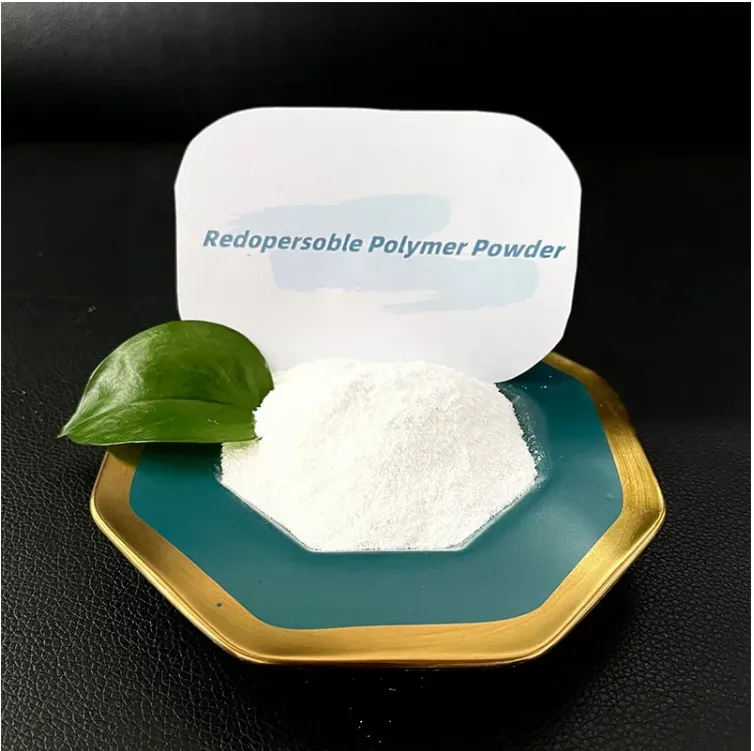
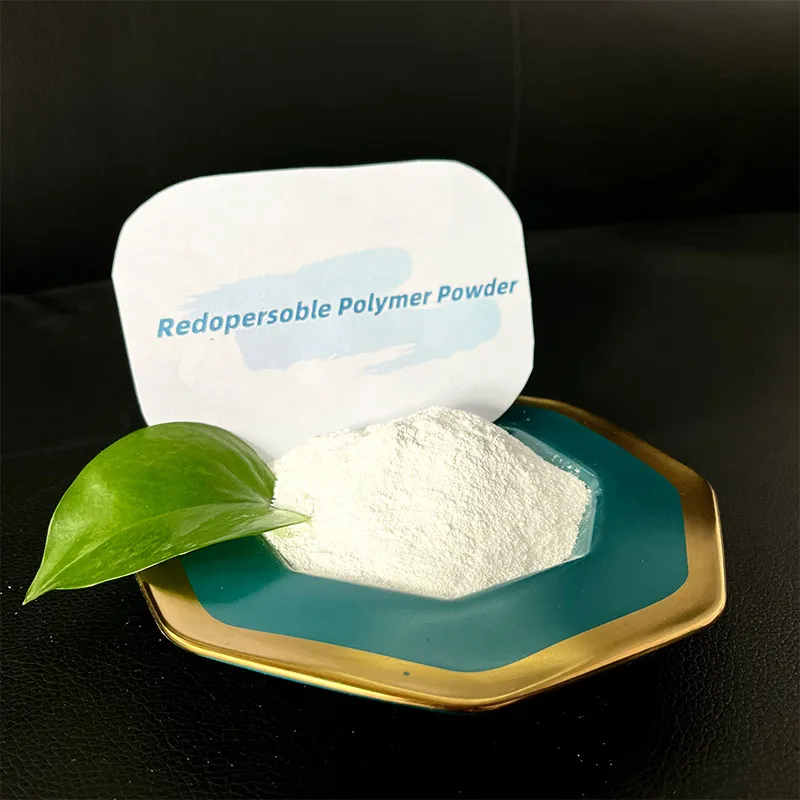
Redispergable Latex Powder An Innovative Solution in the Coating Industry In recent years, the deman -
 hydroxypropyl_starch_phosphate_in_skin_care
Oct . 25, 2025
HPMC Monograph Your Comprehensive Guide to Understanding Hydroxypropyl Methylcellulose in Product Fo -
 hpmc_market
Oct . 25, 2025
The Producers of Starch Ether An Overview Starch ethers are innovative chemical derivatives produced


